


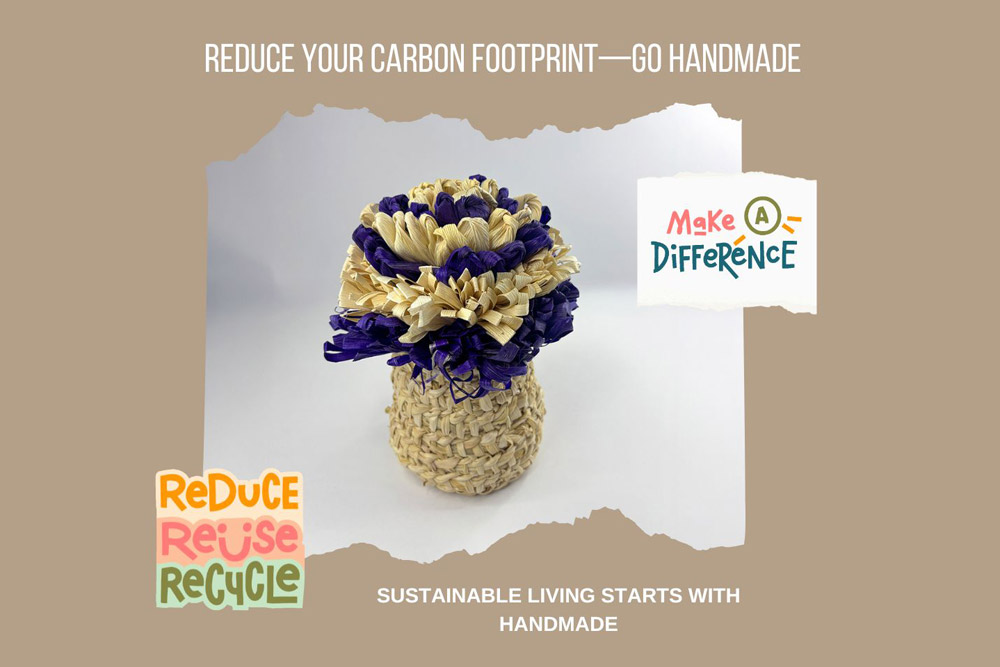
Climate change is one of the most pressing challenges of our time, and reducing our carbon footprint has become a shared responsibility. While large-scale solutions often dominate the conversation, the choices we make in our daily lives also carry significant impact. One such choice lies in the products we buy and use. Opting for handmade items over mass-produced goods is not just about aesthetics or tradition—it is also a conscious step toward sustainability.
Handmade products typically require far less energy to produce compared to factory-made alternatives. Industrial manufacturing depends heavily on machines, assembly lines, an d large-scale energy consumption, all of which contribute to greenhouse gas emissions. In contrast, handmade goods are crafted with care, often using simple tools and manual skills, which drastically reduces the carbon output associated with production.
Another advantage lies in transportation. Mass-produced goods are usually manufactured in one part of the world, shipped across continents, and then distributed through complex supply chains before reaching the consumer. Handmade items, however, are often created locally, supporting regional artisans and minimizing the environmental impact of long-distance shipping. By buying local handmade products, consumers help cut down on fuel usage and the emissions that come with it.
Materials also play a crucial role. Many artisans working in the handmade sector use natural, recycled, or upcycled materials. Items such as cornhusk crafts, recycled paper stationery, or baskets woven from natural fibers show how creativity can transform what might otherwise be considered waste into something useful and beautiful. By supporting such practices, consumers not only encourage resource efficiency but also help keep non-biodegradable materials out of landfills.
The handmade process also tends to generate less waste. Unlike factory systems that produce in bulk—often leading to defective goods or leftover raw material being discarded—handmade production is usually small-scale and resource-conscious. Artisans value their materials, repurposing scraps wherever possible, and producing in limited quantities to meet genuine demand rather than fueling overconsumption.
Equally important is the mindset that handmade products inspire. Choosing handmade encourages consumers to slow down, appreciate craftsmanship, and make more mindful purchases. This shift away from fast, disposable buying habits reduces demand for mass production and its associated environmental costs. Moreover, handmade items are often longer-lasting because of the quality and care that go into their creation, reducing the cycle of constant replacements and waste.
Even packaging reflects this sustainable approach. Use eco-friendly or minimal packaging, often eliminating single-use plastics in favor of recycled or biodegradable alternatives. This thoughtful practice further reduces the overall environmental footprint of the product.
In essence, handmade products represent more than artistry—they embody sustainability and conscious living. Every handmade choice is a small but powerful step toward reducing carbon emissions, supporting local economies, and building a culture of responsibility toward the planet. By choosing handmade, we choose not only unique, durable, and meaningful products but also a greener and more hopeful future.
